
Article Summary:
- Quercetin is an antioxidant that scavenges free radicals and helps maintain normal inflammatory responses in the body.
- Quercetin’s naturally poor absorption and bioavailability hinder its beneficial effects.
- Cyclodextrin encapsulation of quercetin and its subsequent targeted delivery through an advanced nutrient delivery system optimizes quercetin’s solubility to best achieve its health-promoting benefits1.
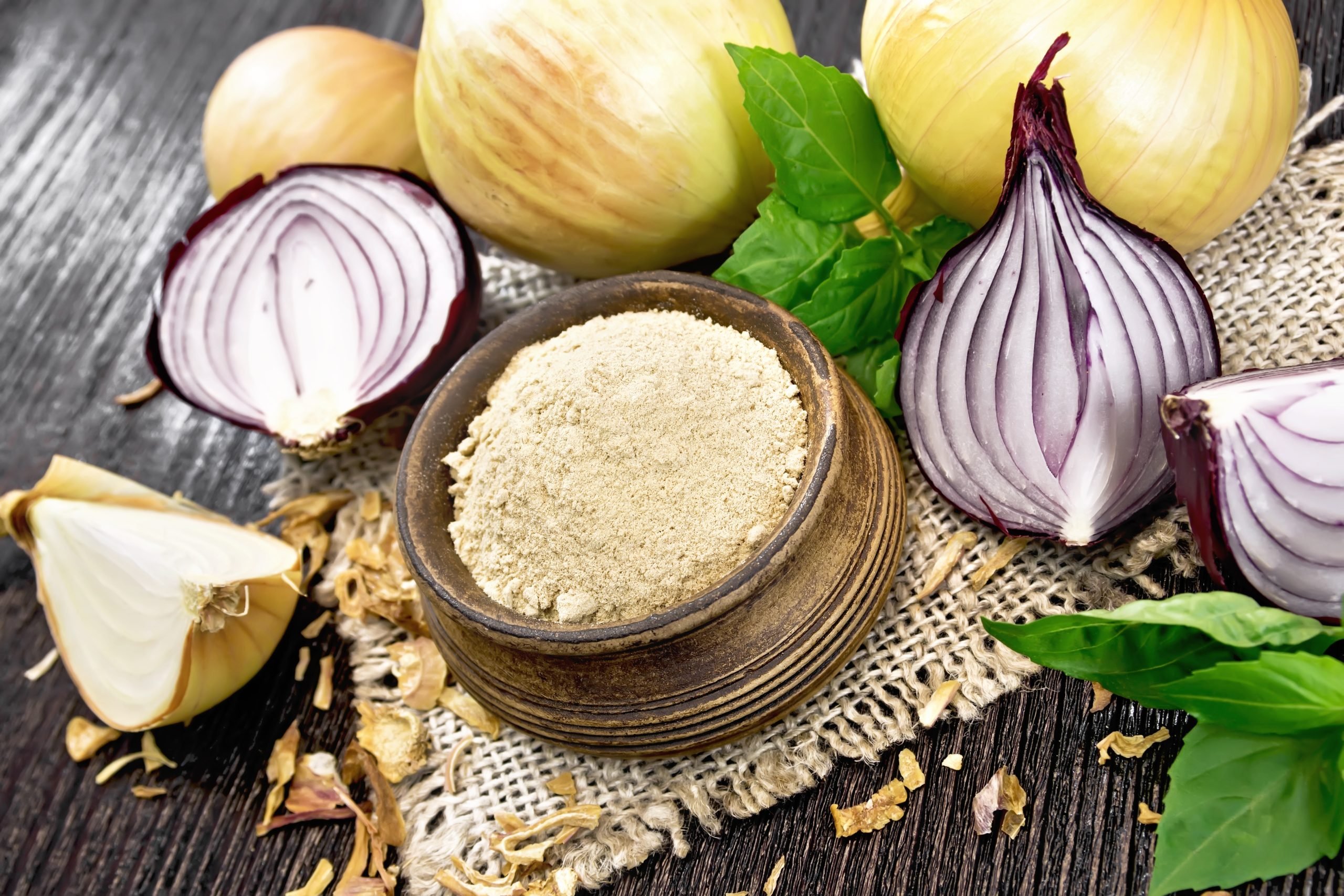
Quercetin is a natural component found in onions, apples, tomatoes, lettuce, broccoli, and black and green tea. Quercetin is an antioxidant and helps maintain normal inflammatory responses in cells to support healthy heart, brain, and immune functions2.
So, why might it be beneficial to include a quercetin supplement in your regimen if it is naturally present in the foods you eat? This blog explains the factors that affect quercetin’s absorption in the body when consumed through diet alone and why an advanced quercetin supplement can help you obtain the amazing benefits this ingredient has to offer.
Quercetin Absorption: An Overview
Quercetin is well-known for its naturally low solubility in water (only 0.01 mg/ml) and its low stability, which adversely impacts its absorption in the body. The normal process of quercetin absorption in the body is as follows: After oral ingestion, quercetin is primarily absorbed in the small intestine, where it undergoes rapid and extensive phase II metabolism in the enterocytes and subsequently in the liver. Only minor amounts are absorbed in the stomach. After absorption, quercetin and its metabolites are then processed for excretion through urine in the kidneys.
These absorption disadvantages, in turn, limit quercetin’s bioavailability — the amount of quercetin that enters the blood to exert its beneficial bioactive effects. This low natural bioavailability of quercetin hinders its beneficial health effects and role in promoting health functions in the body, which means it has often been taken at high daily dosages (500 – 1,000 mg) to achieve its desired therapeutic outcomes4.
Quercetin Absorption Rates
Quercetin glycosides have the highest natural intestinal absorption when compared to other forms of quercetin, such as rutinosides and aglycones.5
Onion is one of the significant dietary sources of quercetin (28.4 – 48.6 mg/100 mg). Clinical trials show that after consuming an onion-rich meal, quercetin values peak from baseline values after two hours and return to baseline values after 24 hours.6 This demonstrates quercetin’s rapid metabolism (peak quercetin level after two hours of consumption), followed by its poor absorption (quercetin level returns to baseline level after 24 hours).
Quercetin Absorption Factors
The following table highlights the factors that influence quercetin’s absorption in the body:
| Factors Influencing Quercetin’s Absorption | |
|---|---|
| Chemical structure | Quercetin’s absorption and solubility depend on the linked associated sugar or glycosyl group in its chemical structure. Quercetin aglycone has no associated sugar in its structure and has lower water solubility than quercetin glycoside, which has a glycosyl group. |
| Physico-chemical properties | Quercetin’s low water solubility adversely affects its dissolution in the gastrointestinal tract. Quercetin’s stability is pH- and temperature-dependent, therefore, it has limited membrane permeability (it has difficulty passing through cell membranes) and poor natural absorption. |
| Food matrix | Because quercetin is a fat-soluble compound, taking it with dietary fats may enhance its absorption to a certain extent.5 |
Various strategies have been explored to overcome quercetin’s poor natural absorption. Novel nutrient delivery systems can facilitate quercetin’s absorption across cellular membranes while limiting its rapid metabolism and enzymatic degradation.
Include an Advanced Quercetin Supplement in Your Health Regimen
Encapsulation techniques have been widely used to enhance quercetin’s bioavailability. For example, coating quercetin molecules in a cyclodextrin matrix protects their molecular integrity and enhances their absorption6.
QuerciSorb® Immuphore SR, developed by Tesseract Medical Research, is an innovative nutritional supplement formulated with an exceptionally soluble form of quercetin that supports cardiovascular health and immune function7. This hypoallergenic formulation also contains zinc (as zinc picolinate), vitamin C (as ascorbic acid), and vitamin D (as cholecalciferol).
Tesseract’s proprietary CyLoc – DexKey® nutrient delivery nanotechnology:
- Helps maintain the integrity of the quercetin molecules: The CyLoc® technology surrounds each quercetin molecule, thus maintaining their integrity during transit through the stomach.
- Achieves targeted delivery of the quercetin molecules: The DexKey® reactors accompany each CyLoc® molecule, releasing each quercetin molecule at the desired point in the gastrointestinal tract.
Achieving quercetin’s optimal solubility and its subsequent targeted delivery in the body result in unprecedented absorption, and make its many health-promoting benefits a reality.
The power of Tesseract supplements lies in enhancing palatability, maximizing solubility, absorption, and bioavailability, and micro-dosing nutrients in a single, highly effective capsule. Shop products on our website and learn more about how they support healthy immune function.*
References:
1,3,6Liu L, Barber E, Kellow NJ, Williamson G. Improving quercetin bioavailability: A systematic review and meta-analysis of human intervention studies. Food Chem. 2025;477:143630. doi:10.1016/j.foodchem.2025.143630
2,5McAnlis GT, et al. European Journal of Clinical Nutrition vol. 53,2 (1999):92-96. doi:10.1038/sj.ejcn.1600682
4Hollman CH, et al. FEBS Letters, vol. 418, no. 1-2, 1997:152-156 https://doi.org/10.1016/S0014-5793(97)01367-7. Accessed 24 Jul. 2025.
7De Vries JH, et al. The American Journal of Clinical Nutrition, vol. 68, no. 1, 1998:60-65 https://doi.org/10.1093/ajcn/68.1.60. Accessed 24 Jul. 2025.

